
Aspen Forest Management in Minnesota: Maximizing Regeneration & Wildlife Habitat

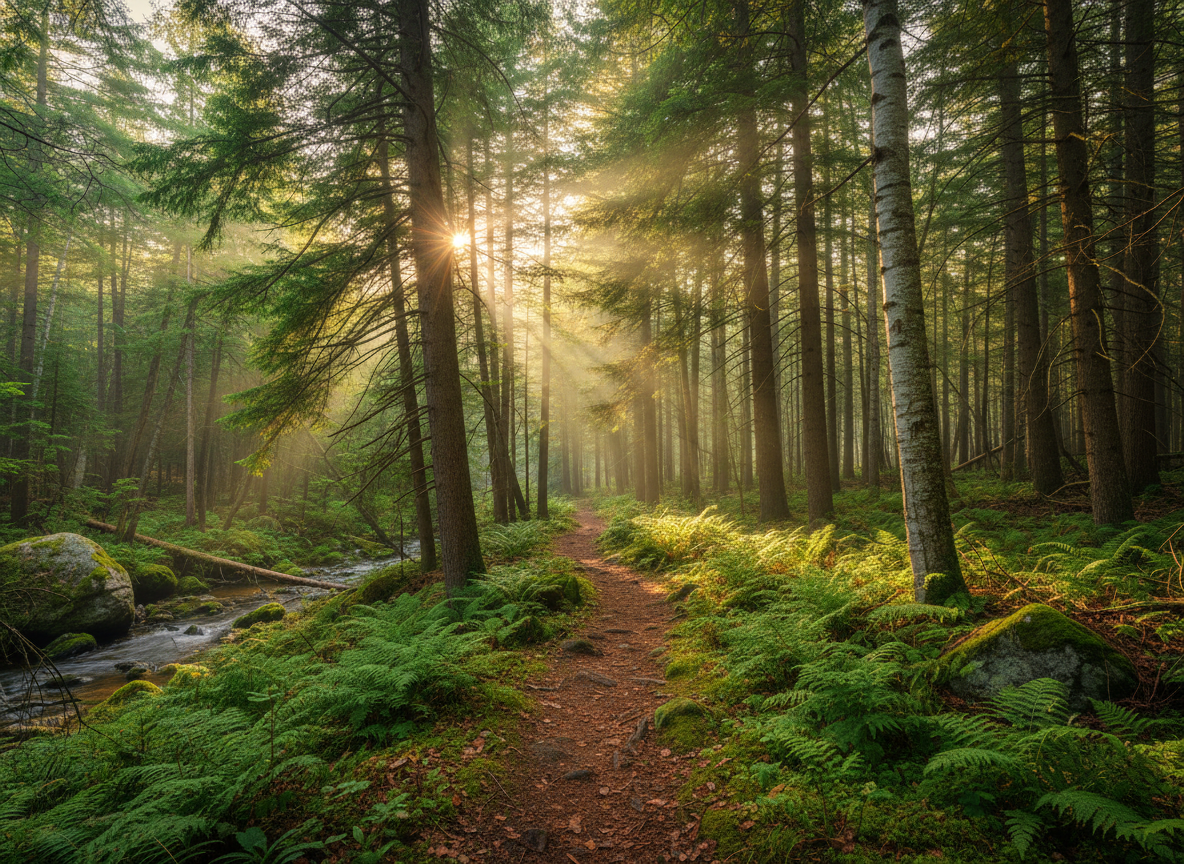
Aspen — known locally as "popple" — is the most abundant forest tree in Minnesota and the backbone of the state's forest products industry and wildlife habitat. If you own forestland in Northern or Central Minnesota, you almost certainly have aspen on your property. Understanding how aspen grows, reproduces, and responds to management is the key to unlocking its full value — both economically and ecologically.
Why Aspen Is Unique Among Minnesota Trees
Aspen doesn't reproduce primarily from seed — it sprouts from its root system after the top is cut or killed. This is called vegetative reproduction, and it's what makes aspen so valuable for forest management. A single mature aspen stand can produce 10,000 to 20,000 new sprouts per acre within the first growing season after harvest. These sprouts grow incredibly fast — often 3–5 feet per year in ideal conditions.
This means that harvesting aspen doesn't destroy the stand — it resets it. A properly managed aspen stand can be harvested, regenerated, and harvested again on a 40–60 year rotation, generating income for multiple generations while continuously creating the young-forest habitat that deer, grouse, and woodcock depend on.
Optimal Harvest Age for Aspen in Minnesota
Aspen reaches peak timber value at roughly 40–60 years of age in most Northern Minnesota conditions. The ideal harvest window depends on:
- •Tree diameter: Pulpwood buyers want trees 5"+ DBH (diameter at breast height). Larger trees (8"+ DBH) may have sawlog value.
- •Stand health: Aspen is susceptible to heart rot fungus (Phellinus tremulae) — once internal decay sets in, timber value declines rapidly. Harvest before significant rot develops.
- •Market conditions: Pulp markets fluctuate. Sometimes waiting 2–3 years for better prices is worth it; other times it's not.
- •Root vitality: Younger, healthier root systems produce more vigorous regeneration. Waiting too long reduces post-harvest sprouting density.
Patch Clearcut Harvesting: The Right Method for Aspen
Unlike many hardwoods, aspen responds best to complete clearcut harvesting of patches rather than selective removal of individual trees. Here's why:
Aspen root sprouting is triggered by full sunlight reaching the forest floor. If residual trees shade the site, sprouting is suppressed. Small patches of 5–40 acres are removed entirely, mimicking natural disturbance events like windthrow or fire that the species evolved with.
Patch sizes are designed thoughtfully. Smaller patches (5–15 acres) create diverse age-class structure across your property — different patches at different stages of regeneration, creating the mosaic of habitat that wildlife requires. Larger patches (15–40 acres) maximize timber volume per entry but create longer regeneration periods before re-harvest.
Aspen Management & Wildlife: Deer, Grouse & Woodcock
No timber species in Minnesota creates better wildlife habitat than regenerating aspen. The reasons:
- •Deer browse: Regenerating aspen produces dense, browse-height stems packed with nutritious buds and twigs — a deer buffet. Stands 2–10 years post-harvest are peak deer habitat.
- •Grouse drumming & nesting: Ruffed grouse are closely tied to aspen for winter buds (their primary food) and for the dense young stems that provide nesting cover. Male grouse drum on fallen aspen logs.
- •Woodcock habitat: American woodcock require young aspen and alder stands for nesting. Managed aspen stands support some of Minnesota's best woodcock hunting.
- •Songbird diversity: Young aspen stands attract a wide variety of nesting songbirds, including golden-winged warblers, chestnut-sided warblers, and common yellowthroats.
Mixed-Wood Aspen Stands: Managing the Other Species
Minnesota aspen stands rarely occur in pure monocultures. You'll commonly find aspen mixed with:
- •Birch: Paper birch is harvested alongside aspen. It doesn't sprout as vigorously, but regenerates from seed in clearcut conditions.
- •Balsam fir: Often retained in aspen harvests to provide thermal cover. Fir doesn't regenerate as aggressively but fills the understory over time.
- •Oak: Scattered oaks in an aspen stand are typically preserved — they provide mast (acorns) for wildlife and add significant value to the property.
- •Alder: Preserved in wet areas along streams and wetland edges. Alder is critical woodcock habitat and protects water quality.
Getting Your Aspen Stand Evaluated in Northern MN
If you have aspen on your property in Crow Wing, Pine, Cass, Kanabec, Aitkin, or Morrison counties, Timberlane Forestry can assess your stands, estimate timber value, and design a patch harvest strategy that maximizes both income and wildlife habitat. We start with a free property walkthrough — no cost, no obligation.
Manage Your Aspen Forest — Call (218) 232-3055
Free property walkthroughs for Crow Wing, Pine, Cass & Kanabec County landowners. Get honest advice about your aspen stands.