
Understanding Minnesota Forest Types: Management Guide for Landowners
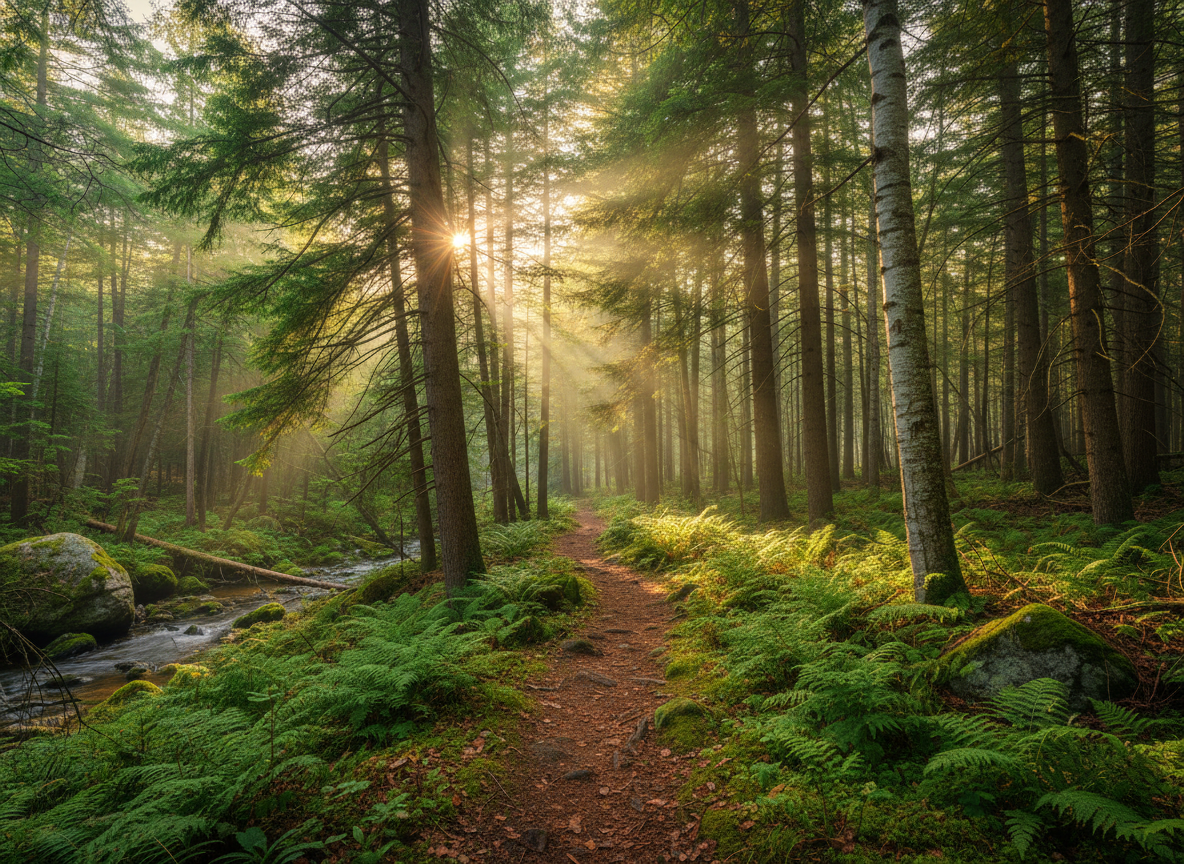
Minnesota's forests are among North America's most diverse and productive ecosystems. Understanding your forest type is fundamental to developing an effective forest management strategy. Each forest type has distinct characteristics, growth patterns, wildlife benefits, and management requirements. This guide explores Minnesota's primary forest types and how to manage each one for timber production, wildlife habitat, and long-term forest health.
Pine Forests of Northern Minnesota
White pine and red pine forests dominate Northern and Central Minnesota, particularly in Pine County and surrounding regions. These forest types are highly valued for both timber and wildlife habitat. White pine grows slowly but produces premium wood, while red pine (Norway pine) offers excellent timber quality and rapid growth compared to other conifers.
Management of pine forests focuses on selective harvesting to remove mature or diseased trees while maintaining forest canopy structure. Pine regeneration often requires specific site preparation and can benefit from careful harvesting practices. These forests also provide excellent habitat for grouse, woodcock, and other wildlife species that depend on pine structure for survival.
Aspen-Birch Forests: Dynamic and Productive
Aspen-birch forest types cover vast areas of Minnesota and are among the most productive in the state. Aspen grows quickly—often reaching harvestable size in 40-50 years—making it economically attractive. Birch provides excellent quality hardwood. These forest types are pioneer species that naturally regenerate after disturbance, creating excellent early successional habitat.
Management of aspen-birch forests typically involves rotational harvesting that stimulates vigorous regeneration from root systems. Young aspen and birch forests provide exceptional wildlife habitat for deer, providing high-quality browse, and for a variety of bird species. A well-managed aspen-birch forest can be harvested repeatedly while improving wildlife habitat and maintaining forest productivity.
Mixed Hardwood Forests: Premium Timber and Diverse Habitat
Mixed hardwood forests containing oak, maple, ash, and other quality species are found throughout southern and central Minnesota. These forests produce premium timber and provide excellent wildlife habitat. Oak and maple reach large sizes and command premium prices. Ash has become increasingly valuable with proper management.
Management of mixed hardwood forests emphasizes selective harvesting, promoting the highest-value trees while removing lower-quality specimens. These forests often contain shade-tolerant species that regenerate naturally under the forest canopy. Long-term stewardship focuses on maintaining diversity, promoting mast-producing species (like oak), and preserving the structural complexity that wildlife depends upon.
Identifying Your Forest Type
Your property likely contains multiple forest types or successional stages. Identifying these types requires understanding your dominant tree species, stand age, recent disturbance history, and site conditions. Professional forest inventory, conducted as part of a Forest Stewardship Plan, documents forest types across your property.
This inventory becomes the foundation for management recommendations. By identifying forest types and their current condition, we can prescribe appropriate management—whether that's selective harvesting, stand regeneration, wildlife habitat improvement, or other silvicultural treatments.
Developing Type-Specific Management Plans
Each forest type responds differently to management. A Forest Stewardship Plan tailored to your specific forest types prescribes treatments that work with the natural ecology of each type rather than against it. For example, aspen responds dramatically to clearcuts or shelterwood harvests, while shade-tolerant hardwoods may require careful selective harvesting.
Understanding forest types also reveals wildlife habitat opportunities. Young aspen provides exceptional deer browse. Mature hardwoods with cavities shelter woodpeckers, owls, and other cavity-dependent species. Diverse forest structure supports diverse wildlife. A comprehensive management plan integrates timber production with these wildlife benefits.
Getting a Professional Forest Inventory
The first step toward effective forest management is understanding what you have. A professional forest inventory identifies forest types, documents tree species and sizes, maps stand boundaries, and assesses current forest condition. This technical information forms the basis for a DNR-approved Forest Stewardship Plan.
Contact us to schedule a free property walkthrough. We'll assess your forest types, explain the management opportunities for each, and discuss how to structure your forest for maximum timber value, wildlife benefits, and long-term productivity. Understanding your forest types is the first step toward becoming an informed steward of your Minnesota forestland.
Understand Your Forest Better
Schedule a free professional forest inventory to identify your forest types and management opportunities.