How a Timber Appraisal Works in Minnesota: What Landowners Need to Know

One of the most important questions Minnesota forest landowners ask is: "What is my timber worth?" A professional timber appraisal answers that question accurately — and protects you from leaving money on the table. Whether you're considering a harvest, selling your property, settling an estate, or simply want to understand your forest's value, this guide explains exactly how timber appraisals work in Minnesota.
What Is a Timber Appraisal?
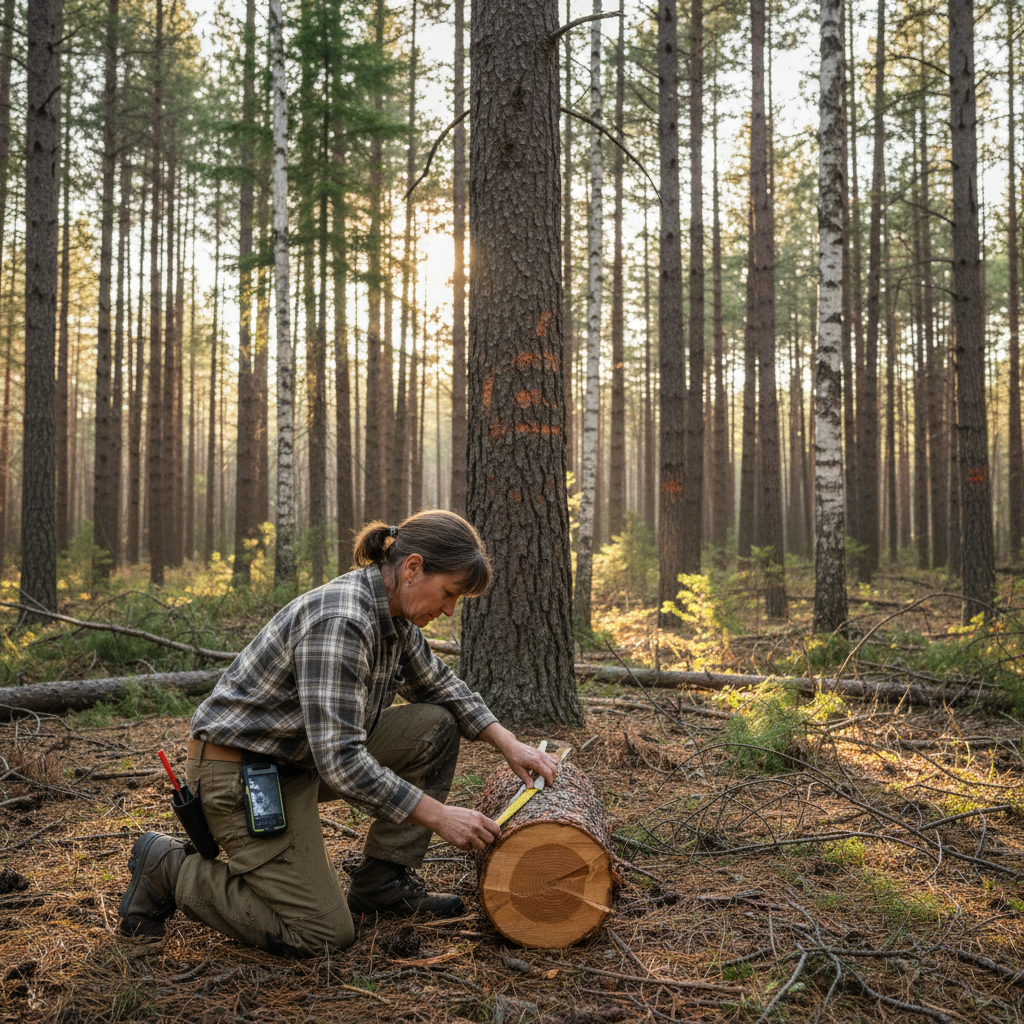
A timber appraisal (sometimes called a "timber cruise") is a systematic field inventory of the trees on your property. A certified forester walks your land in a grid pattern, measuring tree diameters, estimating heights, identifying species, and assessing wood quality. These measurements are entered into a formula that estimates the total volume of merchantable timber — usually expressed in cords (for pulpwood) or board feet (for sawlogs).
That volume figure is then applied against current market prices for each species and grade to produce a dollar estimate of what your standing timber is worth if harvested today. A complete appraisal report documents every step of this process.
How Timber Is Valued in Minnesota
Timber value in Minnesota varies significantly by species, grade, diameter, and proximity to mills. Here's a simplified overview:
- •Aspen (Popple): Sold by the cord to pulp mills. Price fluctuates with paper market demand. Aspen is common throughout Crow Wing and Pine counties.
- •Oak: High-value hardwood sold by board foot for sawlogs. Quality oak commands a significant premium.
- •Birch: Sold by the cord for pulp, or by board foot if large-diameter sawlog quality.
- •Pine (Norway/White): Sawlog-quality pine is among the most valuable timber in Northern Minnesota. Large-diameter red (Norway) pine brings premium prices.
- •Jack Pine: Primarily pulpwood. Younger stands are often worth less per cord than aspen.
- •Balsam Fir / Spruce: Sold by cord. Often harvested alongside aspen in mixed-wood operations.
The Timber Appraisal Process: Step by Step
- 1.Property Walkthrough: We walk the boundary of your forest and identify distinct timber stands — areas of similar species, age, and density.
- 2.Timber Cruise: Using systematic sampling plots, we measure tree diameters, heights, and assess quality. Sampling intensity is determined by stand variability and your acreage.
- 3.Volume Calculation: Raw measurements are plugged into volume tables to estimate cords and board feet by species and grade.
- 4.Market Pricing: Current stumpage prices from regional mills are applied to each species/grade combination.
- 5.Written Report: You receive a detailed document summarizing volumes, species breakdown, estimated values, and notes on harvest recommendations.
When Do You Need a Timber Appraisal?
Common situations where a timber appraisal is essential:
- •Before any timber sale: Know what your timber is worth before negotiating with buyers or signing contracts.
- •Estate settlement: Accurate timber valuation is required for equitable estate distribution or property tax purposes.
- •Buying or selling forested property: Know what the standing timber adds to (or subtracts from) a property's value.
- •Insurance claims: Timber loss from fire, storm damage, or trespass cutting requires a documented appraisal.
- •Forest management planning: Understanding current timber inventory guides future harvest timing and management decisions.
Consumer Scale vs. Appraised Scale Timber Sales
Minnesota timber sales are typically conducted under one of two payment methods:
Consumer Scale (Pay-As-Cut): The most common and fairest method. You're paid based on the actual volume of timber removed, weighed and measured at the mill. No estimates — just payment for what's actually harvested. Timberlane uses this method exclusively.
Appraised Scale (Lump Sum): A single payment is made upfront based on a volume estimate. This is riskier for landowners — if the estimate is low, you receive less than your timber is worth. We generally advise against lump sum sales without a very thorough independent cruise.
How to Get a Timber Appraisal in Baxter & Northern MN
If you own 20+ acres of forestland in Crow Wing, Pine, Cass, Kanabec, Aitkin, or surrounding counties, call Erik Eggen at Timberlane Forestry. We start with a free property walkthrough — no cost, no commitment — where we assess your forest and give you an honest read on its timber value and management potential.
Get a Free Timber Appraisal Consultation — (218) 232-3055
Find out what your timber is worth before signing anything. Erik Eggen provides honest, no-obligation timber appraisals for Crow Wing, Pine, Cass & surrounding Minnesota counties.