When to Harvest Timber in Minnesota: Best Seasons & Timing
One of the most common questions Minnesota forest landowners ask is: "When should I harvest my timber?" The answer isn't one-size-fits-all. The timing of your timber harvest depends on multiple factors including tree species, current market conditions, your management goals, and site conditions. This comprehensive guide explores the best practices for determining harvest timing on your Minnesota forestland.
Understanding Timber Harvest Seasons
Winter timber harvesting is widely recognized as the optimal season for forest operations in Minnesota. From December through March, frozen ground provides a natural surface that minimizes soil compaction and rutting—a critical concern in timber harvesting operations. When soil is frozen, heavy logging equipment can move through your forest without creating lasting damage to the forest floor, which is essential for maintaining soil health and promoting forest regeneration.
During other seasons, particularly spring and early summer when soils are saturated with moisture, harvesting equipment can cause significant soil disturbance and erosion. Summer conditions present additional challenges, including muddy conditions that require extensive road work and potentially harmful impacts on forest health. This is why professional timber harvesting contractors specifically plan operations for winter months.
Species-Specific Harvest Timing Considerations
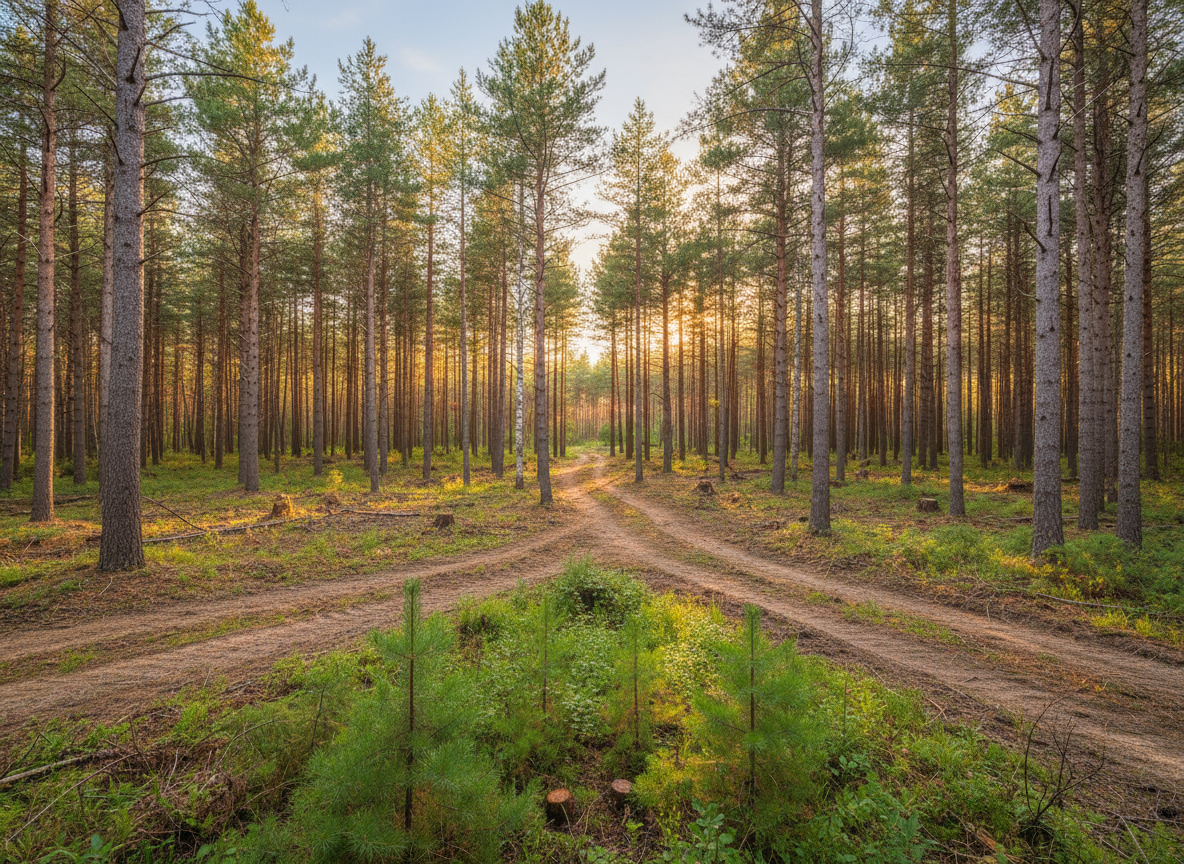
Different tree species in Minnesota forests have different optimal harvest windows. Pine trees, which are common in Northern and Central Minnesota, can typically be harvested during winter months when sap flow is minimal, reducing potential damage during the felling and bucking process. Hardwoods like oak and maple also benefit from winter harvesting, as the dormant season minimizes tree stress.
Birch and aspen, prevalent in Minnesota's mixed forests, are often harvested in fall and early winter for optimal wood quality. The timing of harvest for these species relates to their growth patterns and the quality specifications of buyers. A professional Forest Stewardship Plan will specify the optimal harvest window for each species in your forest.
Market Conditions and Timber Prices
While seasonal conditions favor winter harvesting, timber markets significantly influence when you'll receive the best financial returns on your timber. Timber prices fluctuate based on regional supply and demand, lumber market conditions, and economic factors. Working with a timber appraiser and forest management professional helps you understand current market values and make informed decisions about harvest timing.
Sometimes holding timber for an additional year or delaying harvest until market conditions improve can result in significantly higher returns. Conversely, when prices are strong, winter weather windows may be the limiting factor. Strategic planning balances both seasonal and economic considerations to maximize your timber harvest income.
Forest Management Goals Impact Harvest Timing
Your long-term forest management objectives significantly influence optimal harvest timing. If your goal is natural forest regeneration from seed left on mature trees, timing harvest before seed fall maximizes regeneration potential. If you're creating wildlife habitat, timing harvests to coordinate with understory development and food availability for deer and other wildlife becomes a primary consideration.
A well-designed Forest Stewardship Plan coordinates timber harvest timing with your wildlife management goals, soil health objectives, and financial targets. This integrated approach ensures that your harvest operations support your broader forest management vision rather than operating in isolation.
Working with Professional Timber Harvesters
Professional MLEP-certified logging contractors understand the best practices for Minnesota timber harvest operations. We exclusively work with certified professionals who follow best management practices for harvest timing and site management. These contractors have the expertise and equipment to execute quality harvests during optimal seasonal windows while protecting your forest's long-term health.
Before any timber harvest operation begins, a professional timber appraisal establishes fair market value and identifies the highest-value trees for harvest. This appraisal, combined with a current Forest Stewardship Plan, creates the roadmap for professional harvesting contractors.
Getting Started with Your Timber Harvest Plan
The first step toward a successful timber harvest is scheduling a free property walkthrough with a professional forester. During this consultation, we assess your forest's composition, identify timber suitable for harvest, evaluate current market conditions, and discuss your management goals.
From this assessment, we develop a personalized harvest timing recommendation that considers seasonal conditions, market opportunities, your forest's health, and your financial objectives. This comprehensive approach ensures your timber harvest generates maximum income while leaving your forest healthier and better positioned for future growth.
Also see: Selective Timber Harvesting Guide · Benefits of Selective Harvesting · Schedule a Free Consultation with Erik — (218) 232-3055
Ready to Plan Your Timber Harvest? Call (218) 232-3055
Schedule a free property walkthrough with Erik Eggen — certified forester in Baxter, MN. Serving Crow Wing, Pine, Cass & Northern Minnesota.