Benefits of Selective Harvesting for Minnesota Forests: Income, Health & Wildlife
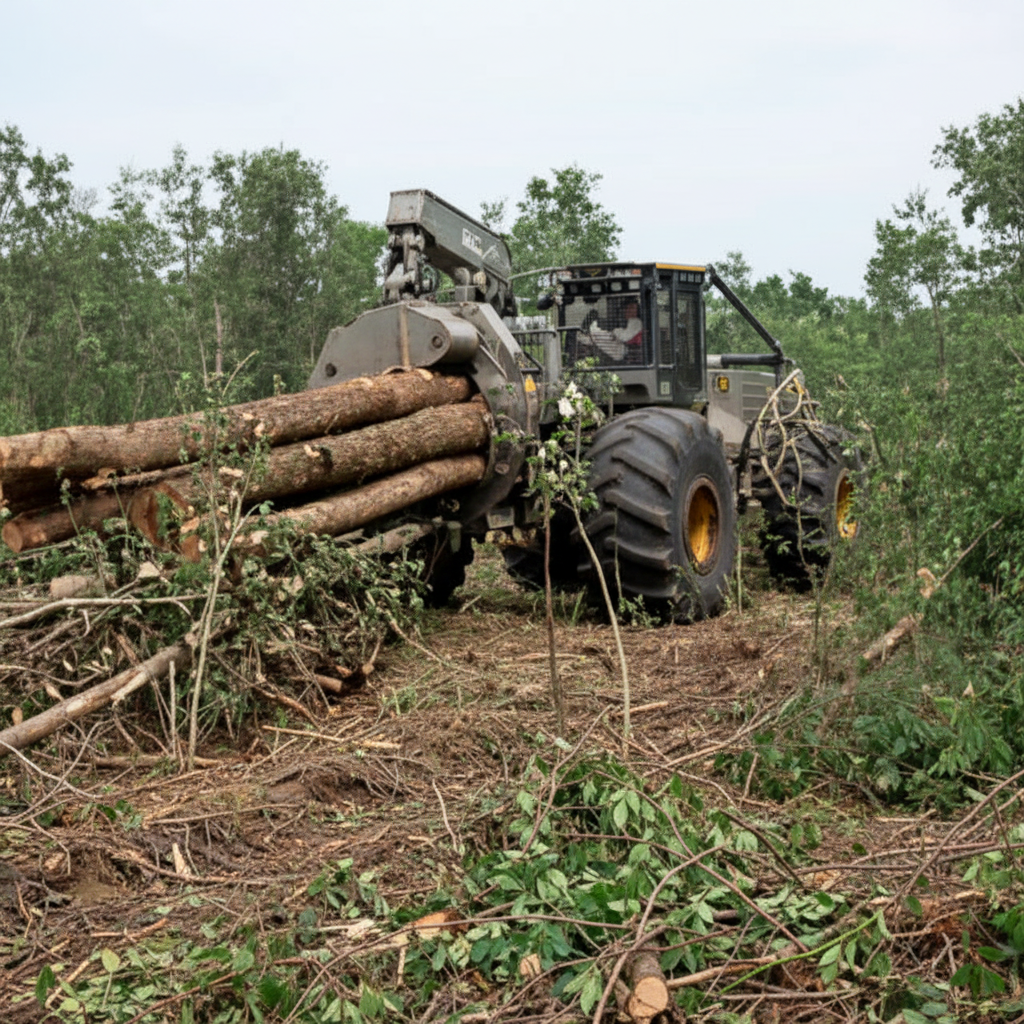
Selective harvesting represents a fundamental shift from traditional clearcut logging toward forest management that mirrors natural disturbance patterns. Rather than removing all trees from an area, selective harvesting strategically removes mature, diseased, or poor-quality trees while retaining the best growing stock. This approach simultaneously achieves three goals: generates income for landowners, improves forest health, and enhances wildlife habitat—all while maintaining continuous forest canopy and long-term productivity.
Income Generation Through Quality Selection
Selective harvesting identifies the highest-value trees in your forest—those that are mature, vigorous, and suitable for premium timber markets. By removing these mature trees, landowners unlock significant income while the younger, better-quality trees left behind continue growing and appreciating in value. This creates a cash flow benefit today with improved forest value tomorrow.
A professional timber appraisal identifies which trees represent the best economic value. Trees may be selected for harvest based on species, diameter, health status, and market demand. Premium species like oak, maple, and birch command higher prices when selected from healthy, high-value trees. Removing lower-quality or poorly-performing trees frees resources for the best performers.
Forest Health Improvement Through Thinning
Overstocked forests—those with too many trees competing for limited resources—become vulnerable to disease, insect damage, and catastrophic wildfire. Selective harvesting removes trees that increase stand stress, reducing competition for water, nutrients, and light. Remaining trees grow faster, develop stronger root systems, and resist stress-related diseases more effectively.
Diseased trees, dead trees, and poor-quality specimens are priority candidates for removal. By eliminating disease pressure from your forest, selective harvesting reduces pest populations and improves overall forest vigor. Thinned forests also recover more quickly from natural disturbances like storms or drought. Proper density management transforms overcrowded stands into healthier, more resilient forests.
Wildlife Habitat Enhancement
Selective harvesting creates diverse forest structure that wildlife depends upon. By removing larger trees, light penetrates the canopy, stimulating understory growth. This improved browse availability directly benefits deer populations. Young vegetation provides high-quality forage that supports healthy, productive deer herds.
Different wildlife species benefit from different forest structures. Grouse require young aspen and birch with adequate brush cover—conditions created by selective harvesting of overstory trees. Woodcock benefit from similar young forest conditions. Maintaining diverse stand ages across your property—some areas recently harvested, others mid-aged, others mature—creates the complete habitat mosaic that supports diverse wildlife populations.
Continuous Forest Cover Benefits
Unlike clearcutting, which removes all trees and can result in erosion, soil damage, and decades of recovery time, selective harvesting maintains forest canopy. Trees continue intercepting precipitation, protecting soil structure and preventing erosion. The forest floor remains shaded, maintaining soil moisture and biological activity. This continuous cover approach minimizes environmental impact while maintaining forest productivity.
Continuous canopy also provides immediate wildlife habitat benefits. Birds and small animals maintain shelter and food sources throughout the year. Regenerating trees establish beneath the protective canopy of remaining mature trees, developing into the next generation of forest structure.
Implementing Selective Harvesting on Your Property
Successful selective harvesting requires professional planning and execution. A Forest Stewardship Plan identifies forest conditions across your property and prescribes specific harvesting treatments. A timber appraisal documents individual trees suitable for harvest. Only MLEP-certified logging contractors with selective harvest experience should execute these operations to ensure quality, professionalism, and compliance with best management practices.
During harvest operations, skid trails must be carefully located to minimize soil damage. Remaining trees should be marked to prevent accidental damage. After harvest, trails may be planted with native species to accelerate recovery. The result is a cleaner forest without slash debris, improved growing conditions for retained trees, and enhanced wildlife habitat.
Long-Term Productivity and Value
Forests managed through selective harvesting remain productive indefinitely. Rather than requiring decades of recovery before the next harvest, well-managed forests can sustain periodic selective harvests at shorter intervals. Your forest becomes a sustainable income source—not a one-time timber crop.
Beyond timber value, forests managed through selective harvesting in Crow Wing, Pine, Cass, and Kanabec counties support excellent wildlife populations, provide recreation opportunities, and maintain environmental benefits like water retention and carbon sequestration.
Related: Selective Timber Harvesting Overview · Best Timing for Timber Harvests · Schedule a Free Consultation — (218) 232-3055
Ready for Selective Harvesting? Call (218) 232-3055
Talk directly with Erik Eggen — certified forester in Baxter, MN — about selective management for your Northern Minnesota forest. Free consultations.