
Creating Wildlife Food Plots: Design & Integration for Deer Habitat

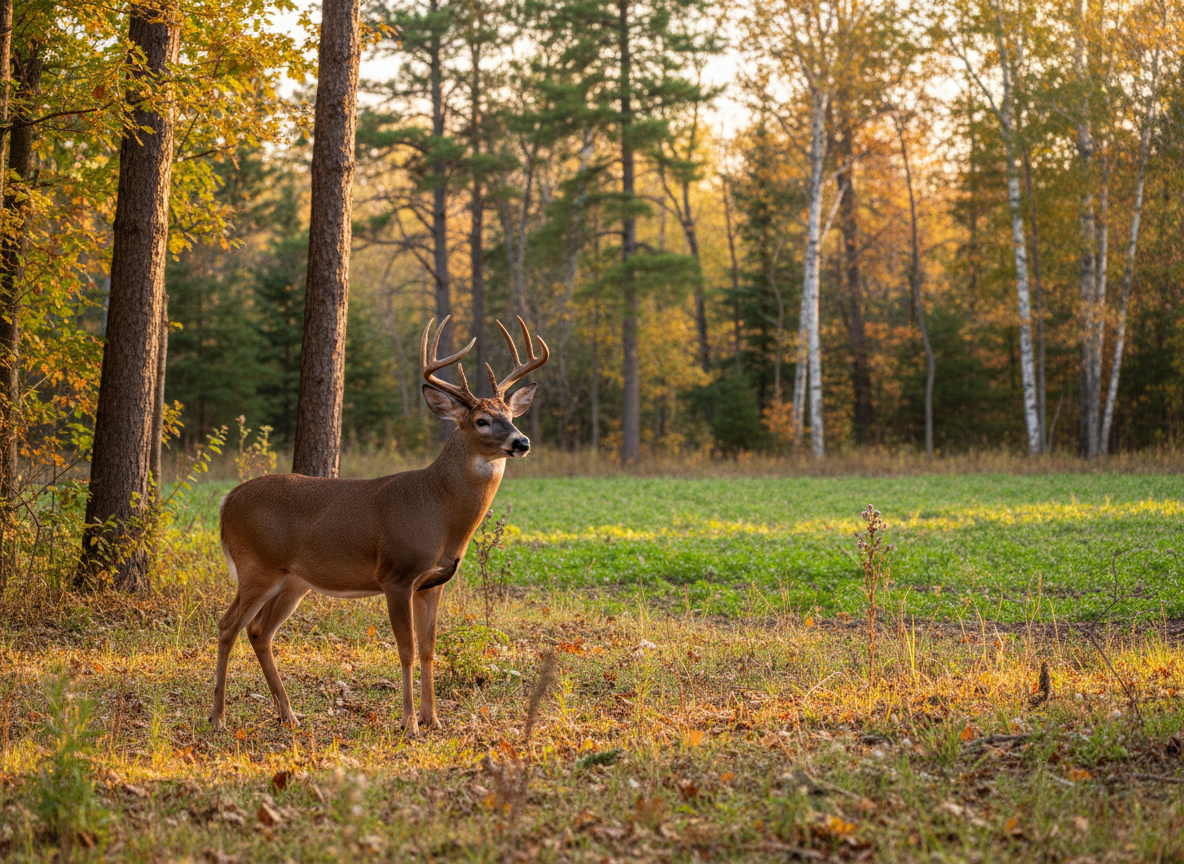
Wildlife food plots are one of the most effective habitat improvements for enhancing deer populations on your property. Strategic food plot placement creates high-quality forage areas that improve deer nutrition, promote healthier populations, and concentrate wildlife activity where you want it. However, successful food plots require more than simply clearing an area and planting seeds. Proper design, species selection, timing, and integration with your overall forest management plan are essential. This comprehensive guide explains how to design and implement food plots that work with your forest management strategy.
The Nutritional Role of Food Plots
Food plots provide concentrated sources of high-quality forage at times when natural browse is limited. In winter, when forest understory vegetation is scarce, food plots provide crucial nutrition that helps deer survive the hardest season. In spring, when does are nursing fawns, supplemental nutrition supports milk production and overall herd health. Year-round food availability supports higher deer populations, healthier antler development, and higher reproductive success.
Different forage species provide different nutritional benefits. Legumes like clover and alfalfa are high in protein, supporting growth and reproduction. Brassicas like turnips and kale are excellent winter forage. Grains like oats and rye provide energy-rich carbohydrates. A diversified food plot strategy plants different species to provide nutrition throughout the year.
Strategic Placement and Size
Food plot effectiveness depends heavily on location. The best food plot sites are:
- • Adjacent to dense cover (woods, brush) for security
- • Positioned so deer can easily see approaching danger
- • With natural access corridors connecting to bedding and other habitat
- • On flat or slightly sloped terrain for establishment
- • In areas with adequate sunlight (minimum 6 hours daily)
Most food plots should be 0.5 to 2 acres in size. Smaller plots (under 0.5 acres) can become too concentrated, leading to overgrazing and reduced effectiveness. Larger plots become harder to maintain and may expose wildlife to excessive hunting pressure. Multiple smaller plots distributed across your property are often more effective than one large plot.
Species Selection and Planting Strategy
Successful food plots require species selection matched to your soil, climate, and timing goals:
Spring/Summer Plots: Plant clover, alfalfa, and other legumes in spring. These provide excellent nutrition through summer and early fall. Multi-year plantings of perennial clover can produce forage for years with minimal maintenance.
Fall/Winter Plots: Plant brassicas (turnips, kale, radish) and small grains (rye, oats) in late summer for fall and winter availability. These species actually improve in quality after frost, making them excellent winter forage.
Year-Round Approach: Rotate planting to ensure forage availability throughout the year. A comprehensive strategy might include spring clover plots, summer brassicas, and winter grain plots distributed across your property.
Soil Preparation and Maintenance
Proper soil preparation is critical for food plot establishment. Soil testing determines pH, nutrient levels, and whether lime or fertilizer amendments are needed. Most forage species perform best in pH ranges of 6.0-7.0. If your soil is more acidic, lime application may be necessary.
Establishing perennial food plots requires thorough seedbed preparation. Annual plots require less maintenance but need replanting each year. Once established, food plots require occasional liming, fertilization, and weed management to maintain productivity. A stewardship plan can integrate food plot maintenance with your overall forest management schedule.
Integration with Forest Management
The most effective wildlife habitat combines food plots with diverse forest structure. Selective harvesting creates young forest regeneration that provides browse. Food plots fill nutritional gaps that forest browse alone cannot provide. Together, they create complete habitat that supports excellent deer populations.
Strategic harvesting can create food plot opportunities while improving forest health. Clearing areas for food plots might remove low-value trees, creating openings where forage can thrive. A comprehensive forest management plan coordinates timber harvest, wildlife habitat improvement, and food plot strategy into one integrated approach.
Timing and Seasonal Considerations
Success depends on proper timing. Fall-planted plots must be established early enough to become established before winter. Spring plantings should go in as soon as soil can be worked. Summer management prevents weeds and maintains plot health. Understanding Minnesota's growing season and frost dates is essential for successful planting.
A Forest Stewardship Plan incorporates food plot strategy into your overall management timeline. This ensures that plot preparation, planting, and maintenance happen at optimal times and are coordinated with timber harvest operations that might impact food plot locations.
Getting Started with Food Plot Strategy
The first step is assessing your current wildlife habitat and identifying areas where food plots would be most effective. During a property walkthrough, we can identify optimal food plot locations, discuss species recommendations for your soil and climate, and create a food plot strategy that integrates with your overall forest management plan.
Food plots are one tool in a comprehensive wildlife habitat improvement strategy. Combined with selective harvesting, proper stand management, and long-term stewardship, food plots help create the diverse, productive habitat that supports thriving deer populations in Crow Wing, Pine, Cass, and Kanabec counties.
Design a Food Plot Strategy — Call (218) 232-3055
Talk with Erik Eggen about wildlife habitat improvement and food plot integration for your Northern Minnesota forest.